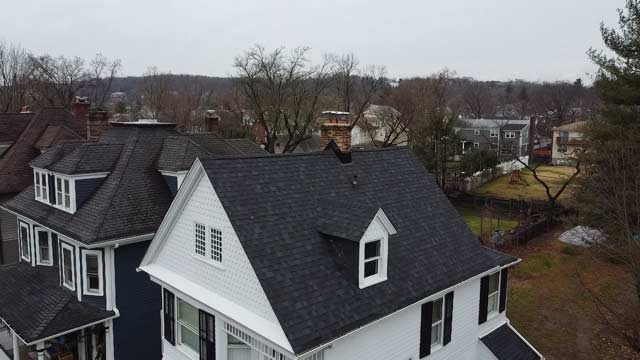
Finding the best roofing companies in New Jersey isn’t just about picking the first contractor with a decent review score. In Essex County and across Northern New Jersey, roofs take a beating from freeze-thaw cycles, wind-driven rain, humid summers, and the occasional surprise storm that turns a small weakness into a major leak overnight. Add in older housing stock, layered roofing systems, and tricky rooflines, and the decision gets a lot more serious.
Learn more: Gikas Roofing New Jersey
We’ve seen how much the right roofer matters, especially for homeowners and commercial property owners who need more than a quick patch job. The strongest roofing companies combine local experience, careful inspections, clear estimates, and practical planning that fits both the building and the budget. In this guide, we’ll walk through how to compare local roofers, what services matter most, which questions to ask, and why staged roofing solutions can be a smart move for aging or complex roofs in .
What Sets The Best Roofing Companies In New Jersey Apart
The best roofing companies in New Jersey usually stand out in a few obvious ways, and a few less obvious ones.
First, they understand local building conditions. A roofer who works regularly in Essex County, Bergen County, Passaic County, and nearby areas knows the difference between replacing a roof on a 1920s colonial in Montclair and repairing a low-slope commercial system in Newark. That local knowledge matters because roofing isn’t one-size-fits-all.
Second, they inspect before they prescribe. Good contractors don’t jump straight to “you need a full replacement” after a five-minute look from the driveway. They check flashing, ventilation, decking condition, drainage patterns, penetrations, chimney transitions, and signs of moisture intrusion. That kind of thorough pre-project inspection often reveals whether the problem is isolated, widespread, or part of a bigger system failure.
Third, the best roofers communicate clearly. You should get a written scope, realistic timeline, product details, and warranty information, not vague promises. Companies with a strong reputation also tend to offer documented results and explain options in plain English.
And finally, better roofing companies are flexible. Some roofs need immediate replacement. Others benefit from phased work that addresses the worst areas first. That’s especially valuable for older homes and budget-conscious property owners.
How New Jersey Weather And Older Housing Stock Affect Roofing Needs
New Jersey weather creates roofing problems that don’t always show up in warmer, drier regions. Winter ice, spring rain, summer humidity, and heavy wind events all stress roofing materials in different ways. One season expands materials: another contracts them. Sealants crack. Flashing loosens. Water finds tiny entry points and keeps working at them.
Read more: Bergen County Roofing Roofer
In Northern New Jersey, older homes add another layer of complexity. Many houses have multiple reroofing cycles behind them, aging plywood or plank decking, outdated ventilation, and architectural details that make waterproofing more demanding. Dormers, valleys, chimneys, skylights, and additions all create transition points where leaks often begin.
That’s why roofing contractors in New Jersey need more than installation skills. They need diagnostic judgment. A stain on an upstairs ceiling may be caused by roof damage, but it could also trace back to attic condensation, failed flashing, or poor ventilation. Without a careful inspection, the “fix” may miss the real issue.
Commercial properties face similar challenges. Flat and low-slope roofs are vulnerable to ponding water, membrane failure, and drainage issues, particularly after repeated freeze-thaw cycles. In short: New Jersey roofs age hard, and the companies that handle them best plan for that reality.
Top Services To Look For When Comparing Roofing Contractors
When comparing the best roofing companies in New Jersey, it helps to focus on the services that actually protect the building long term, not just the headline offer.
A strong contractor should provide detailed inspections, roof replacement, targeted repairs, leak diagnosis, flashing work, ventilation assessment, and maintenance guidance. For commercial properties, additional capabilities like low-slope roofing expertise, coating systems, drainage correction, and staged project planning can be important too.
It’s also worth looking at how the company approaches problem-solving. Do they simply offer “repair or replace,” or do they walk you through material options, lifespan expectations, and sequencing? Roofers with real experience tend to explain the tradeoffs between patching a failing section now and planning a broader restoration later.
For example, companies with a strong local reputation, such as Gikas Roofing, often emphasize thorough inspections, written project scopes, and guaranteed results rather than high-pressure sales language. That’s usually a good sign.
Read more: Little Ferry Roofing Roofer
Below are two core services that deserve the closest attention when you compare local roofers.
What To Ask Before Hiring A New Jersey Roofing Company
Before signing anything, we’d ask direct questions, and expect direct answers.
Start with licensing, insurance, and crew oversight. Ask whether the company carries liability and workers’ compensation coverage, who will actually be on-site, and whether labor is performed by employees or subcontractors. Neither model is automatically bad, but you should know who’s responsible.
Then ask about inspections. Will they inspect attic ventilation, decking condition, flashing, and drainage, or only the visible outer surface? A proper roofing estimate should be based on more than a quick glance.
Other smart questions include:
- What roofing materials do you recommend for this specific property, and why?
- What happens if you discover bad decking or hidden water damage?
- How do you handle weather delays?
- What warranties cover materials, workmanship, or both?
- Will I receive a written estimate with a detailed scope of work?
- How will cleanup, disposal, and property protection be handled?
For older homes or complex roofs, we’d also ask whether staged roofing is an option. A good company won’t dismiss budget realities. They’ll explain what can be safely phased, what shouldn’t be delayed, and how to prioritize the most vulnerable areas first.
How To Evaluate Inspections, Estimates, Warranties, And Project Planning
A roofing company can sound great on the phone and still deliver a weak proposal. The real test is in the inspection, estimate, warranty terms, and planning process.
Read more: Hasbrouck Heights Roofing Roofer
A quality inspection should identify present damage, likely causes, and related system issues. That includes shingles or membrane condition, flashing, penetrations, ventilation, drainage, underlayment concerns, and structural warning signs. Photos help. Explanations help more.
Estimates should be written and specific. Look for material brands or product types, tear-off details, disposal, flashing replacement, ventilation upgrades, decking allowances, project timeline, payment terms, and warranty information. If one estimate is much cheaper, find out why. Lower pricing sometimes means corners are being cut in labor, prep, or waterproofing details.
Warranties deserve a close read. Manufacturer warranties typically cover product defects. Workmanship warranties cover installation errors. Both matter, but they’re not the same.
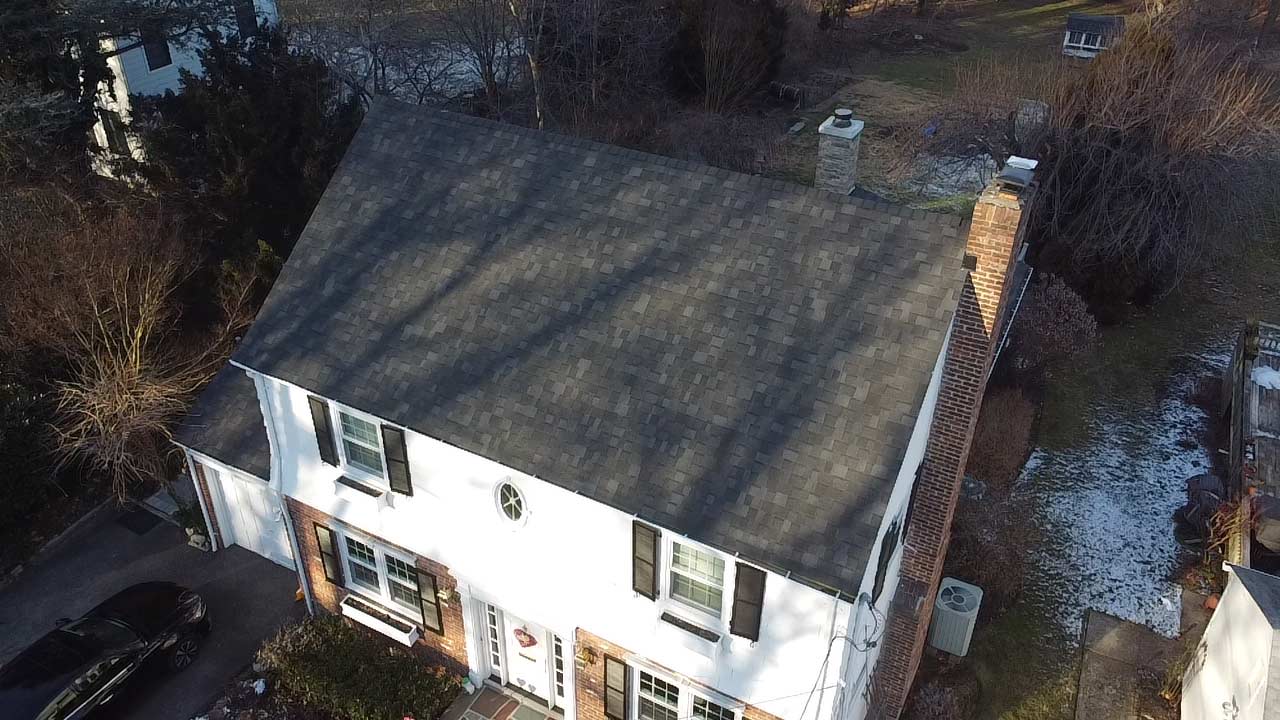
And then there’s project planning. On a straightforward roof, planning may be simple. On an older or occupied property, it can be the difference between smooth execution and a mess. The best roofing contractors build realistic schedules, account for weather, protect landscaping and access points, and set expectations before work begins, not after problems show up.
Why Staged Roofing Solutions Can Make Sense For Complex Or Aging Roofs
Staged roofing solutions aren’t a sales gimmick when they’re designed correctly. In many cases, they’re the most practical way to manage an aging roof system, especially on larger homes, multifamily buildings, or commercial properties where a full replacement all at once may not be ideal.
We often see this in Northern New Jersey properties with multiple roof sections added over decades. One section may be near failure, another may have a few useful years left, and another may mainly need flashing and drainage work. Replacing everything immediately can be unnecessary. Ignoring the worst section, though, can be expensive fast.
A staged approach allows a contractor to prioritize high-risk areas first, stabilize leak sources, and map out later phases in writing. Done well, that gives property owners breathing room without losing strategic control of the project.
Read more: Franklin Lakes Roofing Roofer
But staging only works if the roofer is honest about what can wait and what can’t. That’s where detailed inspections matter. Companies that specialize in flexible staging options and guaranteed written scopes can be particularly helpful for older homes in Essex County, where rooflines and budgets aren’t always simple.
Common Red Flags That Signal A Roofing Company May Not Be The Right Fit
Some roofing red flags are obvious. Others are subtle.
The obvious ones: no proof of insurance, no written estimate, pressure to sign immediately, vague warranty language, or requests for unusually large upfront payments. If a contractor shows up after a storm promising a “today only” deal, that’s not a great start.
Less obvious red flags matter too. Be cautious if the company avoids detailed questions, refuses to explain materials, or insists every roof needs a full replacement without showing why. A roofer who skips ventilation, flashing, or drainage discussions may be focused on the visible surface only, and that’s rarely enough.
Another warning sign is inconsistent communication. If scheduling, paperwork, and answers are sloppy before the job starts, the project itself may not get better.
Online reviews can help, but don’t read them lazily. Look for patterns: missed callbacks, surprise charges, unresolved leaks, or cleanup issues. A few mixed reviews are normal. Repeated complaints about the same problem aren’t.
And trust your read of the estimate. If it feels thin, rushed, or suspiciously simple for a complicated roof, it probably is.
How To Choose The Best Roofing Company For Your Home Or Commercial Property
Roof Replacement
If you’re comparing companies for a roof replacement, look beyond price and ask how they approach the whole roofing system. Replacement isn’t just about shingles or membrane. It’s about underlayment, flashing, ventilation, drainage, edge protection, and the condition of the roof deck underneath.
A reliable contractor should explain whether a full tear-off is needed, what materials fit your building, and how long the new system is expected to perform in New Jersey conditions. On older homes, they should also prepare you for possible decking repairs or ventilation upgrades. On commercial roofs, they should discuss insulation, drainage, and compatibility with the existing structure.
The best roofing companies in New Jersey don’t oversimplify replacement. They make sure you understand what you’re buying, why it’s recommended, and what risks are being eliminated.
Roof Repair And Leak Diagnosis
Roof repair is where true expertise shows. Anyone can spread sealant on a visible crack. Diagnosing where water is actually entering? That’s a different skill.
A strong roofing company investigates the full path of the leak, not just the symptom inside the house or building. Water can travel along decking, rafters, and flashing before it appears indoors. That’s why careful leak diagnosis matters so much on older homes and complex rooflines.
Read more: Ho-Ho-Kus Roofing Roofer
For many property owners, the best choice is the company that offers both practical repairs and honest guidance about long-term next steps. Sometimes a repair buys years. Sometimes it buys one season. You want the truth.
In the end, choosing the right roofing company comes down to confidence: confidence in their inspection process, their written scope, their communication, and their ability to handle your specific property, not just roofs in general. The right roofer will make the project feel clearer, not more confusing.
Key Takeaways
- The best roofing companies in New Jersey combine local expertise with thorough inspections to tailor solutions that fit specific property needs and weather challenges.
- A detailed inspection that checks flashing, ventilation, decking, and drainage is essential for accurate diagnosis and effective roofing repairs or replacements.
- Clear communication, including written estimates, timelines, warranties, and a transparent scope of work, distinguishes top roofing contractors in New Jersey.
- Staged roofing solutions can effectively manage aging or complex roofs by prioritizing critical repairs and spreading costs over time.
- Always verify licensing, insurance, and crew details, and be cautious of contractors who pressure you or avoid answering key questions about materials and warranties.
- Choosing the right roofing company boosts confidence by ensuring the project is well-planned, with realistic scheduling, weather considerations, and property protection.
Frequently Asked Questions About the Best Roofing Companies in New Jersey
What qualities distinguish the best roofing companies in New Jersey?
Top New Jersey roofing companies have strong local experience, conduct thorough inspections, provide clear written estimates, and communicate transparently. They understand regional weather impacts and tailor solutions for older and complex roofs, often offering flexible staged roofing options.
How does New Jersey’s weather affect roofing needs?
New Jersey’s freeze-thaw cycles, rain, humidity, and storms stress roofing materials causing cracks, loosened flashing, and leaks. Older homes add complexity with layered roofs and ventilation challenges. Roofing companies must diagnose hidden damage caused by these local conditions to provide effective solutions.
What important questions should I ask before hiring a roofing company in New Jersey?
Ask about licensing, insurance, crew composition, and if inspections cover attic ventilation, decking, flashing, and drainage. Inquire about recommended materials, handling hidden damage, weather delays, warranties, written estimates, cleanup, and options for staged roofing on aging or complex roofs.
Why might staged roofing be a smart choice for some New Jersey properties?
Staged roofing lets property owners prioritize urgent repairs on aging or multi-section roofs, spreading costs over time without risking structural damage. This approach is especially useful for older homes with multiple roof additions, allowing flexible, budget-conscious project planning based on thorough inspections.
What services should I expect from the best roofing contractors in New Jersey?
Reliable contractors offer detailed inspections, roof replacements, targeted repairs, leak diagnosis, flashing and ventilation assessments, and ongoing maintenance guidance. For commercial roofs, they also provide expertise in low-slope systems, coatings, drainage correction, and comprehensive project planning.
How can I identify red flags when choosing a roofing company?
Beware if a company lacks insurance proof, pressures immediate signing, provides vague warranties, or demands large upfront payments. Other red flags include avoiding detailed questions, insisting on full replacement without explanation, poor communication, inconsistent paperwork, and suspiciously low estimates for complex roofs.
Read More:
- Ant1 FM
- SEO Προώθηση Ιστοσελίδων Στην Αττική
- Ant1 FM: Γιατί Είναι το Καλύτερο Ενημερωτικό Site στην Ελλάδα
- Digital Marketing: Ο Πλήρης Οδηγός Στρατηγικής, Καναλιών και ROI για Επιχειρήσεις
- SEO Consultant: Πώς να Επιλέξετε τον Σωστό Επαγγελματία για το Site σας
- Topical Authority: Πώς να Χτίσετε Θεματική Αυθεντία και να Κυριαρχήσετε στη Google